

Anxiety is a universal human experience. It can manifest in various forms, from fleeting feelings of nervousness before a big presentation to debilitating anxiety disorders that interfere with daily life. Anxiety disorders are among the most common mental health conditions, affecting millions of individuals worldwide. Understanding why some brains are wired for constant worry can shed light on the biological, psychological, and environmental factors that contribute to these disorders.

In the modern diet, sugars are ubiquitous and have become a staple in many processed foods and beverages. Among the various types of sugars, fructose and glucose are two of the most prevalent, yet they impact our metabolism in strikingly different ways.

Chronic pain is a complex and multifaceted condition that affects millions of people worldwide. Unlike acute pain, which serves as a warning signal of injury and typically resolves once the underlying issue is treated, chronic pain persists long after the initial cause has been addressed—or even in the absence of any identifiable physical damage. This phenomenon can be puzzling for patients and healthcare providers alike, leading to significant physical, emotional, and social consequences. Understanding chr
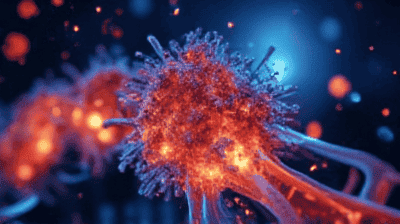
Inflammation is a complex biological process that serves as the body’s defense mechanism against injury, infection, and disease. While acute inflammation plays a critical role in healing and protecting the body, chronic inflammation has been implicated in a wide range of health problems, from autoimmune diseases to heart disease and even cancer. Understanding the dual nature of inflammation is essential for recognizing its roles in health and disease.
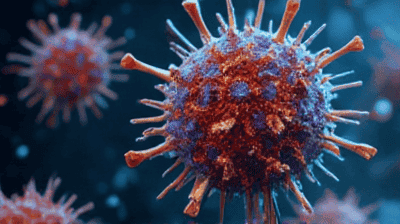
Antimicrobial resistance (AMR) has emerged as one of the most pressing global health challenges of the 21st century. As bacteria, viruses, fungi, and parasites evolve, they develop resistance to the very treatments designed to eliminate them. This phenomenon has led to the rise of "superbugs," strains of bacteria that are resistant to multiple antibiotics and other antimicrobial agents. With many common infections becoming increasingly difficult to treat, there is growing concern about the implications of A